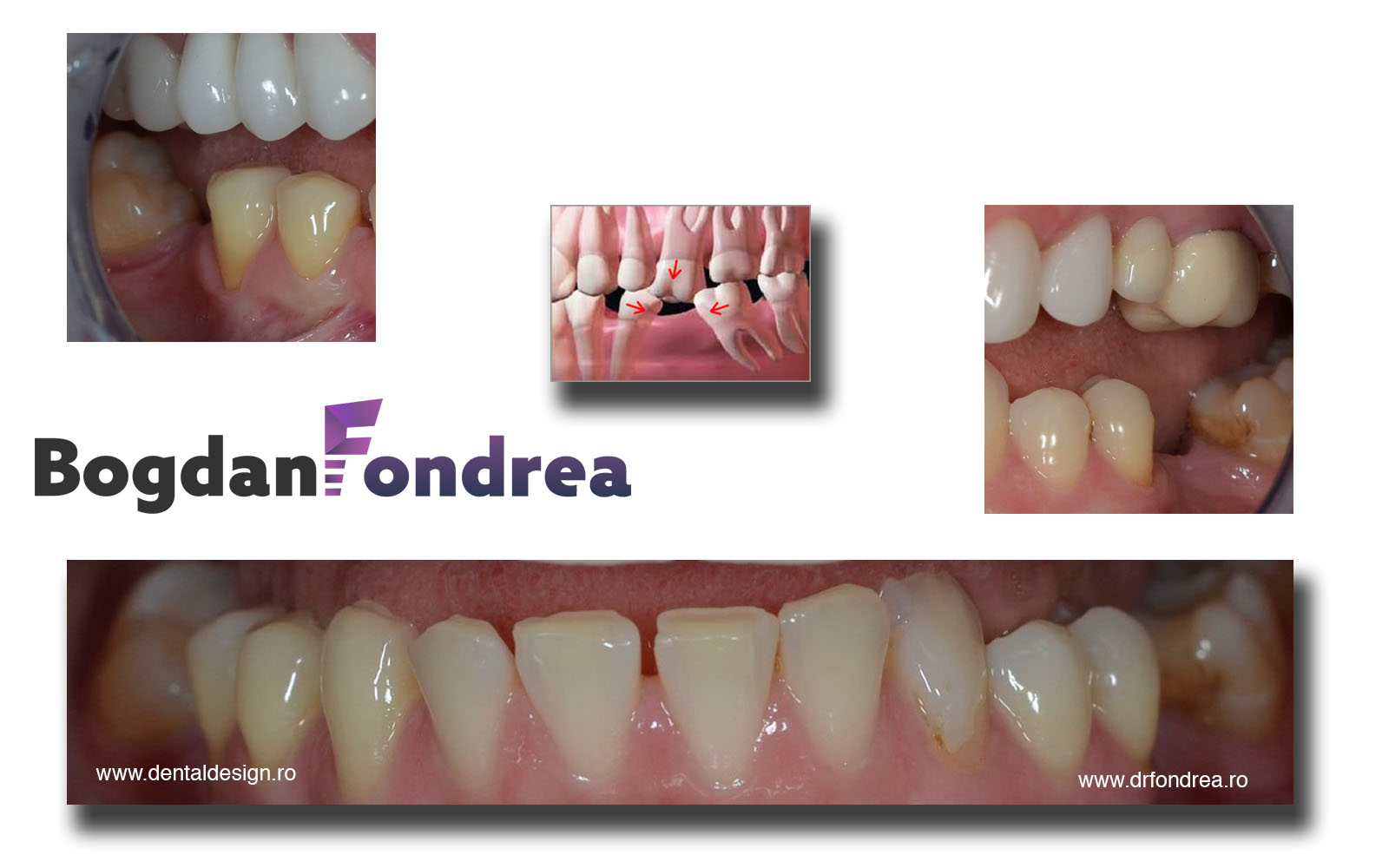
For many people, losing a tooth by extraction is something of major importance. However, for others, it is just a missing tooth and as long as there are other remaining teeth on the arch, as long as esthetics is not effected, mastication can still be done, the loss of a single tooth is too easily overlooked. However, for others it is very important to know the effects of losing a tooth by extraction.
A dental extraction is the removal of a tooth from the dental alveolus in the alveolar bone. Extractions are perfomed for a wide variety of reasons, but most commonly to remove teeth which have become unrestorable, affected by tooth decay, periodontal disease or dental trauma. Sometimes wisdom teeth are impacted (stuck and unable to grow normally into the mouth) and may cause recurrent infections of the gum (pericoronaritis). In orthodontics, if the teeth are crowded, sound teeth may be extracted (often bicuspids) to create space so the rest of the teeth can be straightened. One thing should not be overlooked, the loss of a tooth not only leaves an empty space in the dental arch that interrupts, but over time, the changes of his absence are becoming increasingly apparent.
Taking the example of a tooth extracted from the side, the effects reffer to:
Presenting this information can probably arise many one of the following questions: "I already have a missing tooth, what can I do to avoid these changes?" Or "I already suffered this modifications, can I fix anything?"
Because extraction is not the end of what modern dentistry can offer, variants are: either missing tooth implant replacement (if there is enough space and supportive tissue) or prosthetic (with bridges) or orthodontic recovery (with orthodontic appliances) or by cooperation in the field of implantology and orthodontics field. It reffers to the case in question and therapeutic attitude appropriate for each case.
Extractions are a reality and there are solutions for replacing missing teeth.
Bear in mind that nothing is as good as a natural tooth! Through maintaining a proper hygiene status by regular cleaning sessions conducted every 6 months, any change can be sensed and controlled by the dentist, and the chances of reaching an unwanted extraction are significantly reduced.
Denisa Sava & Bogdan Fondrea - www.dentaldesignclinic.co.uk
Str. Diaconu Coresi nr. 20, Timisoara, Romania
Telefon: +4 0356 454 710
E-mail: office@dentaldesign.ro